Homemade Bread with Evaporated Milk for Soft, Tender Loaves
By Isabella Quinn
Prep
20 min
Cook
25 min
Total
135 min
Servings
32
Level
Easy
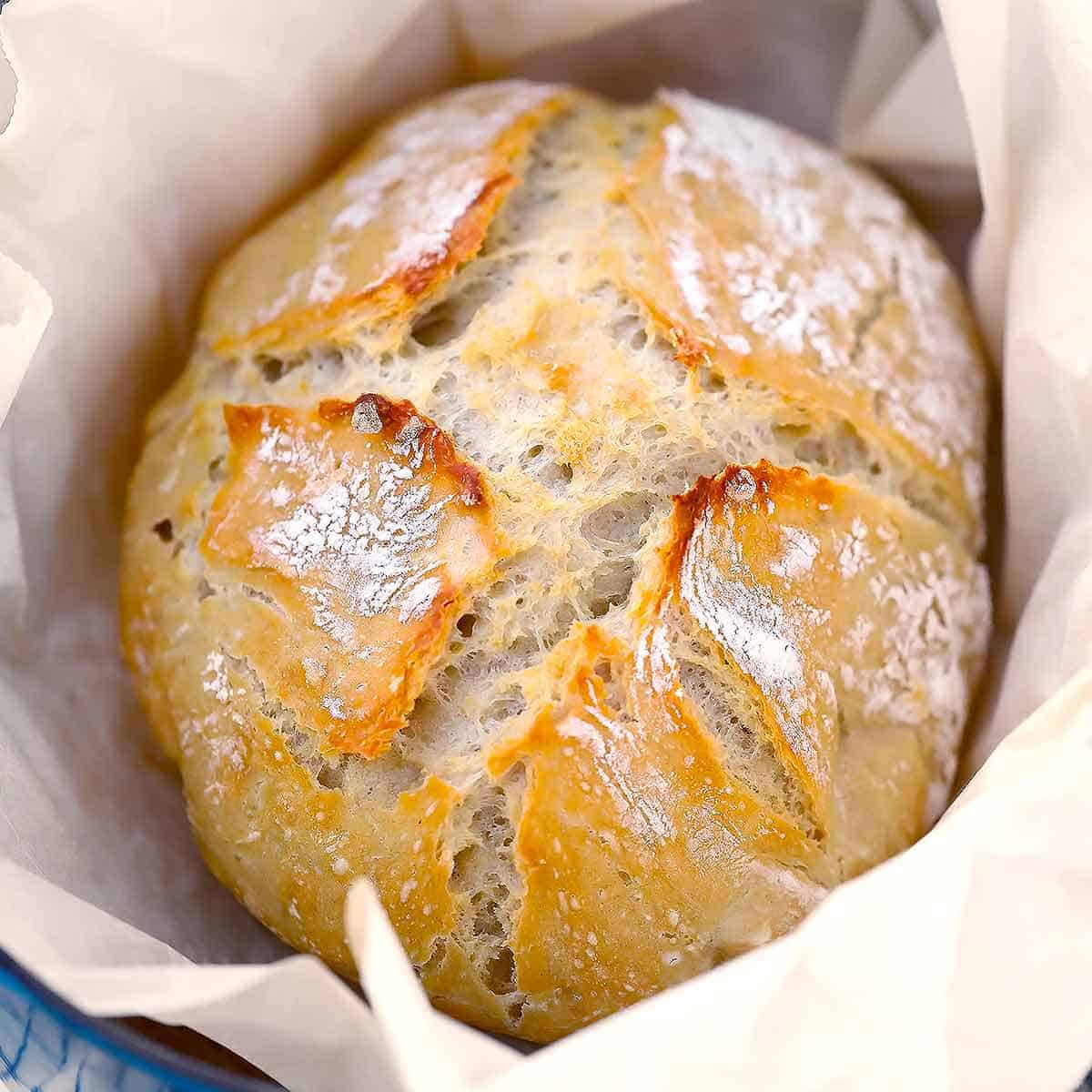
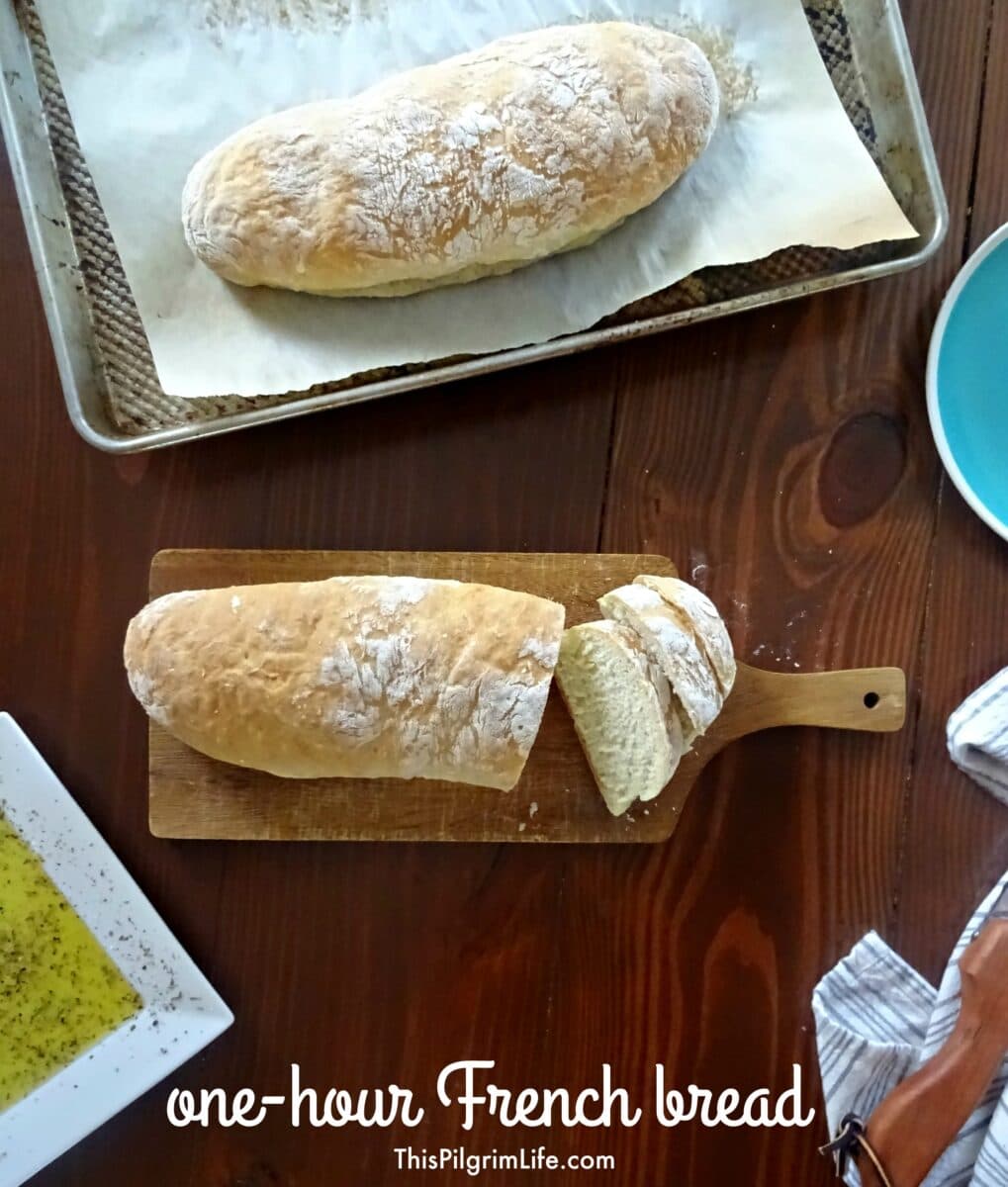
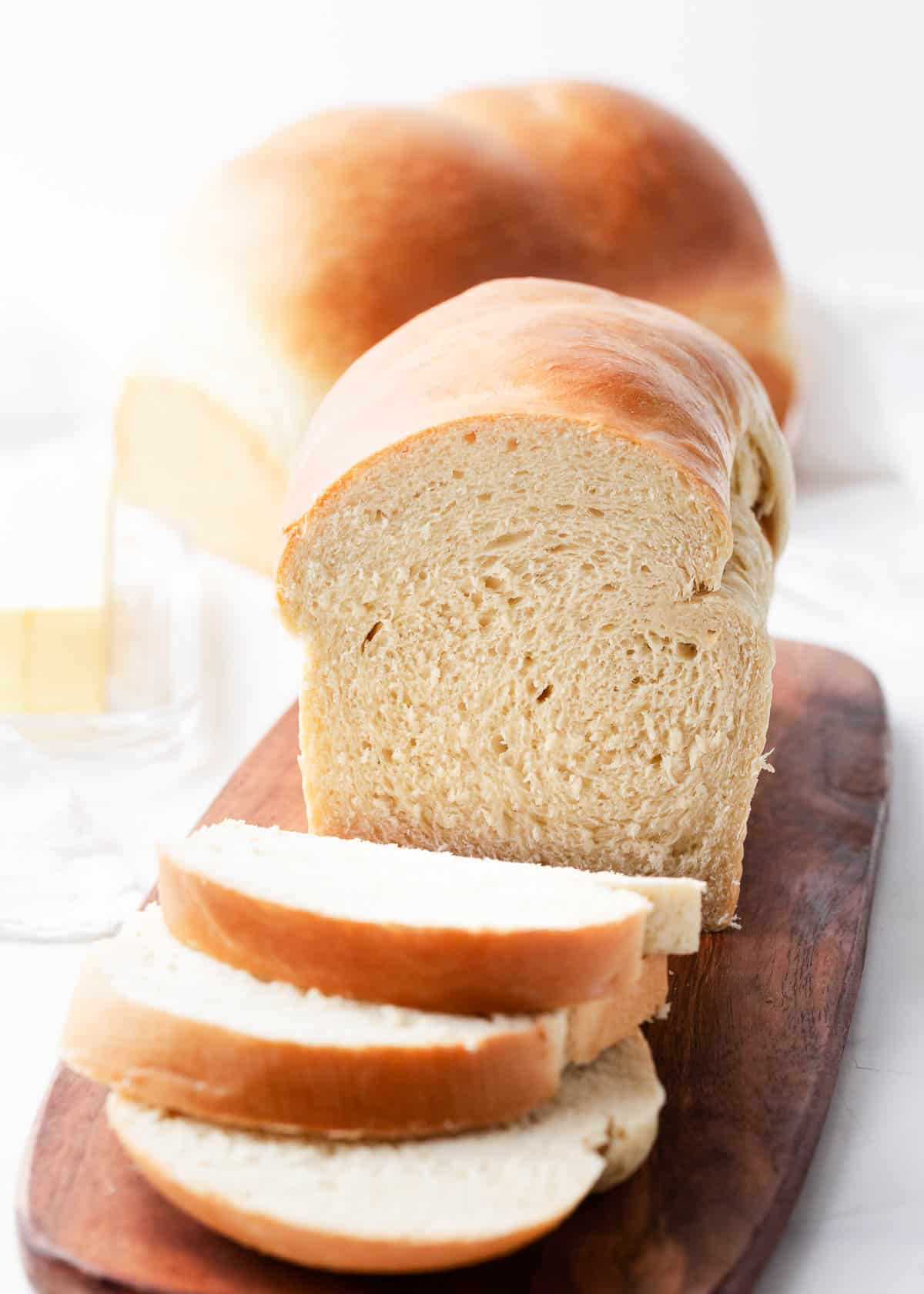
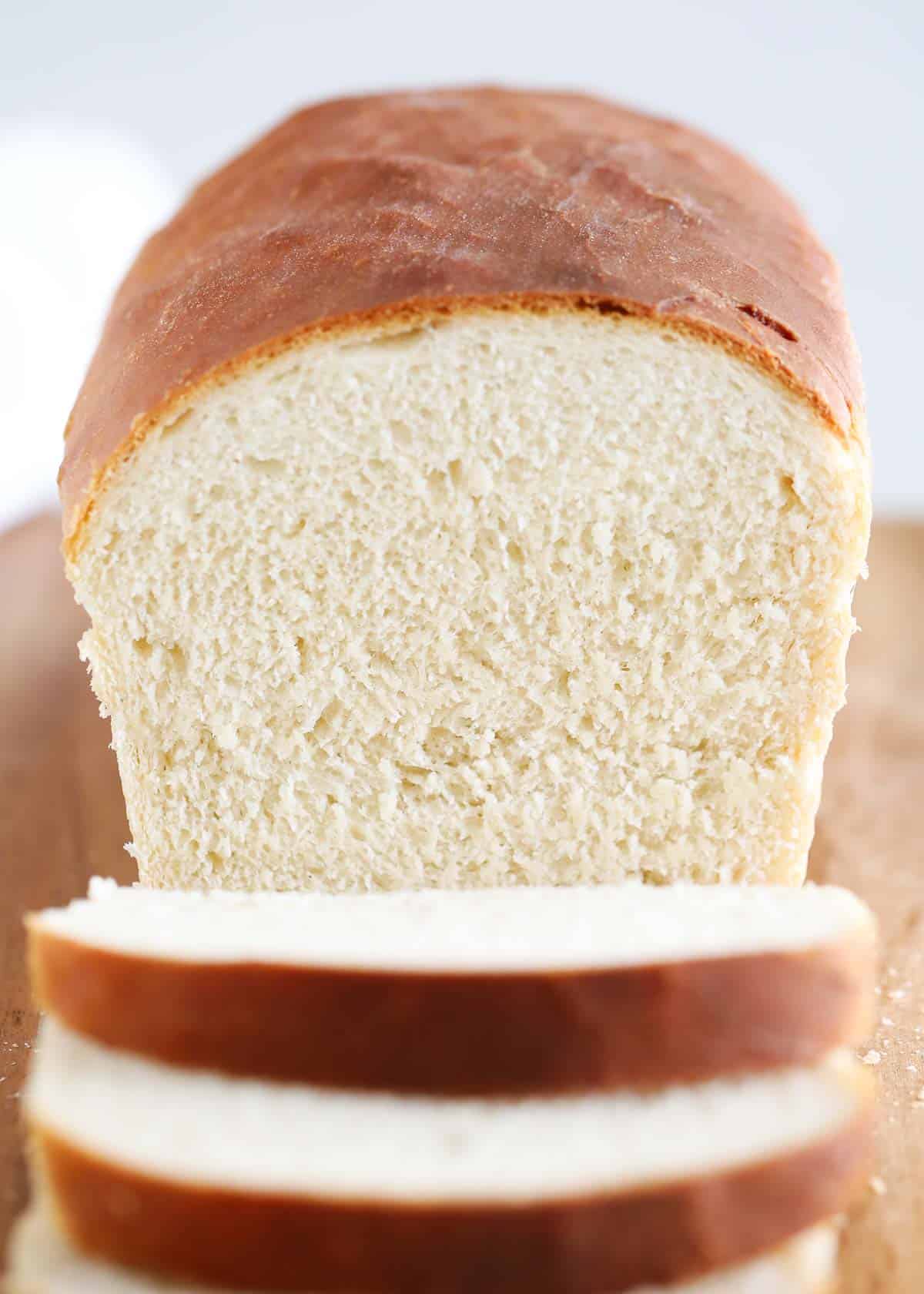
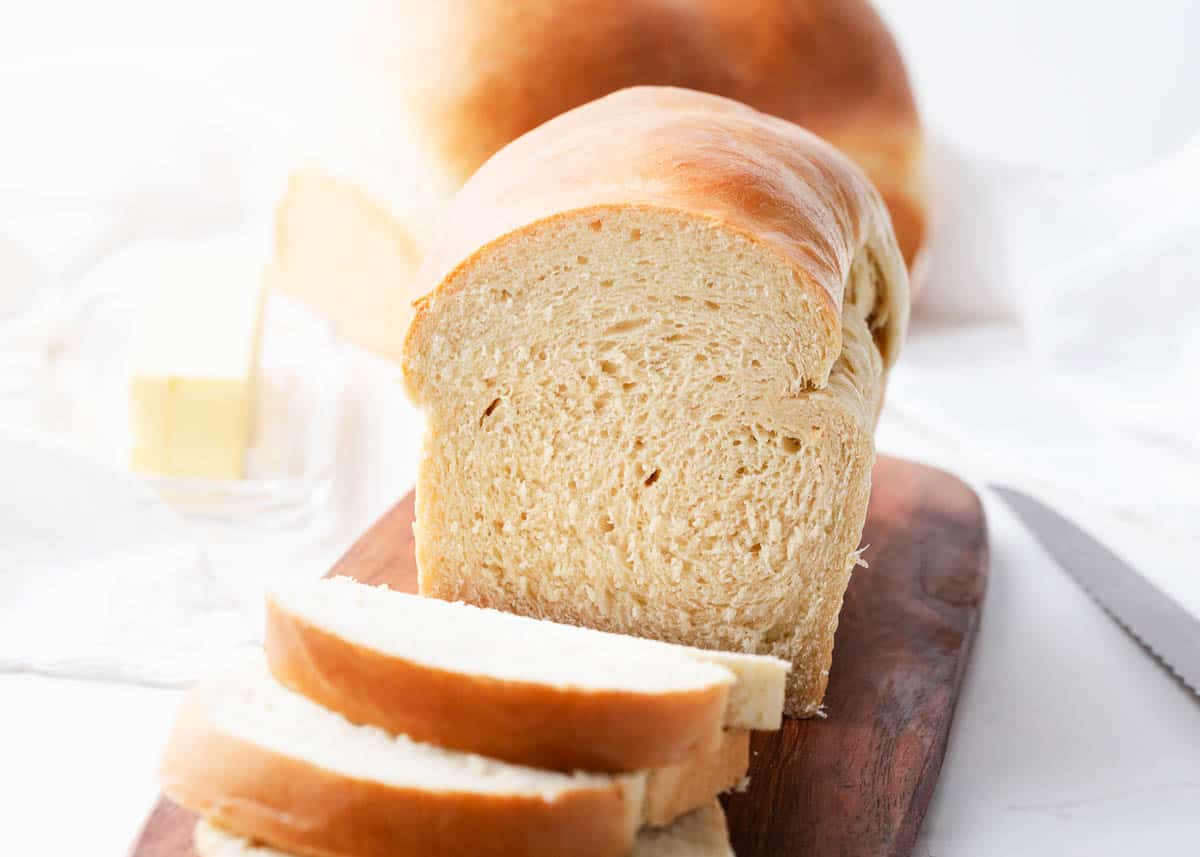
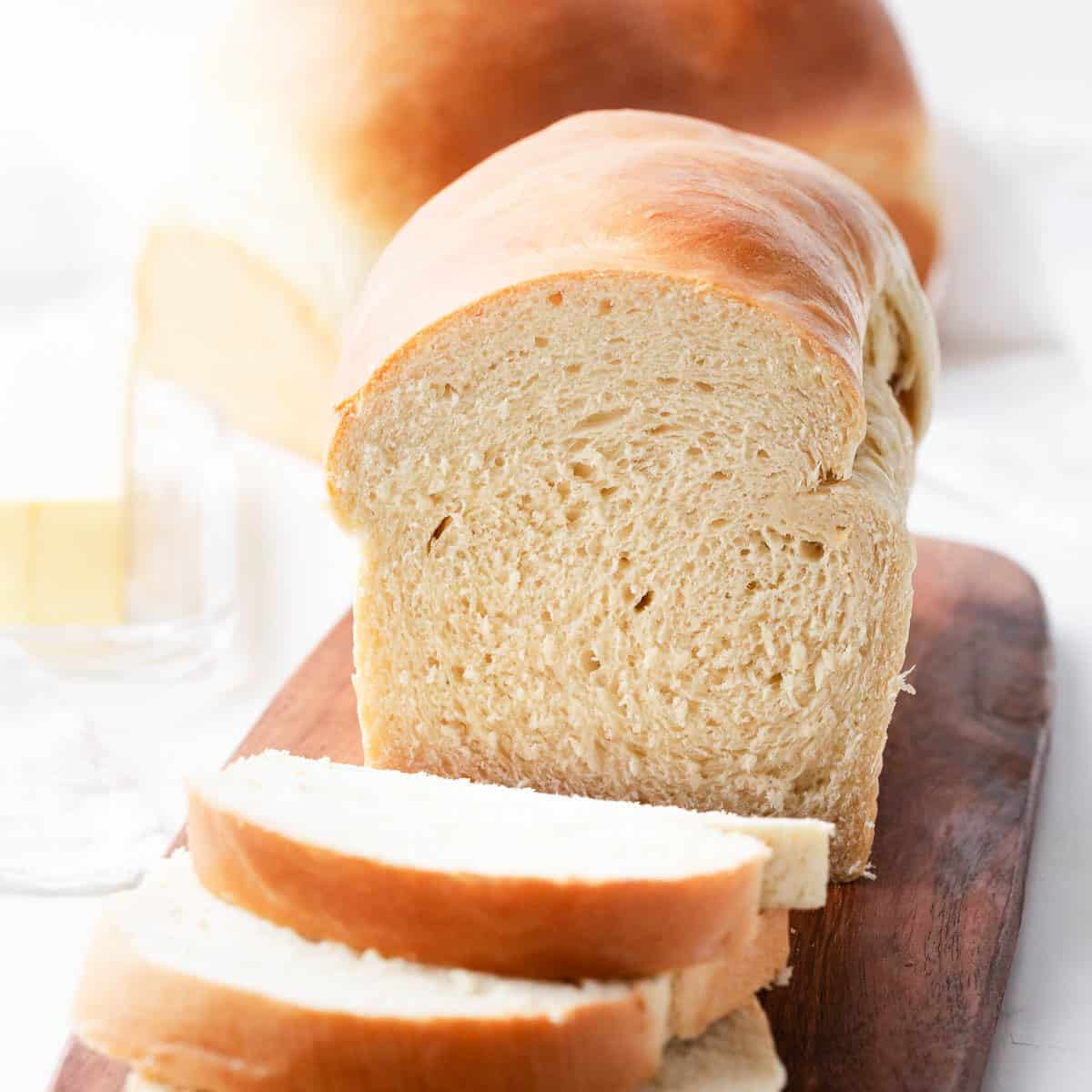
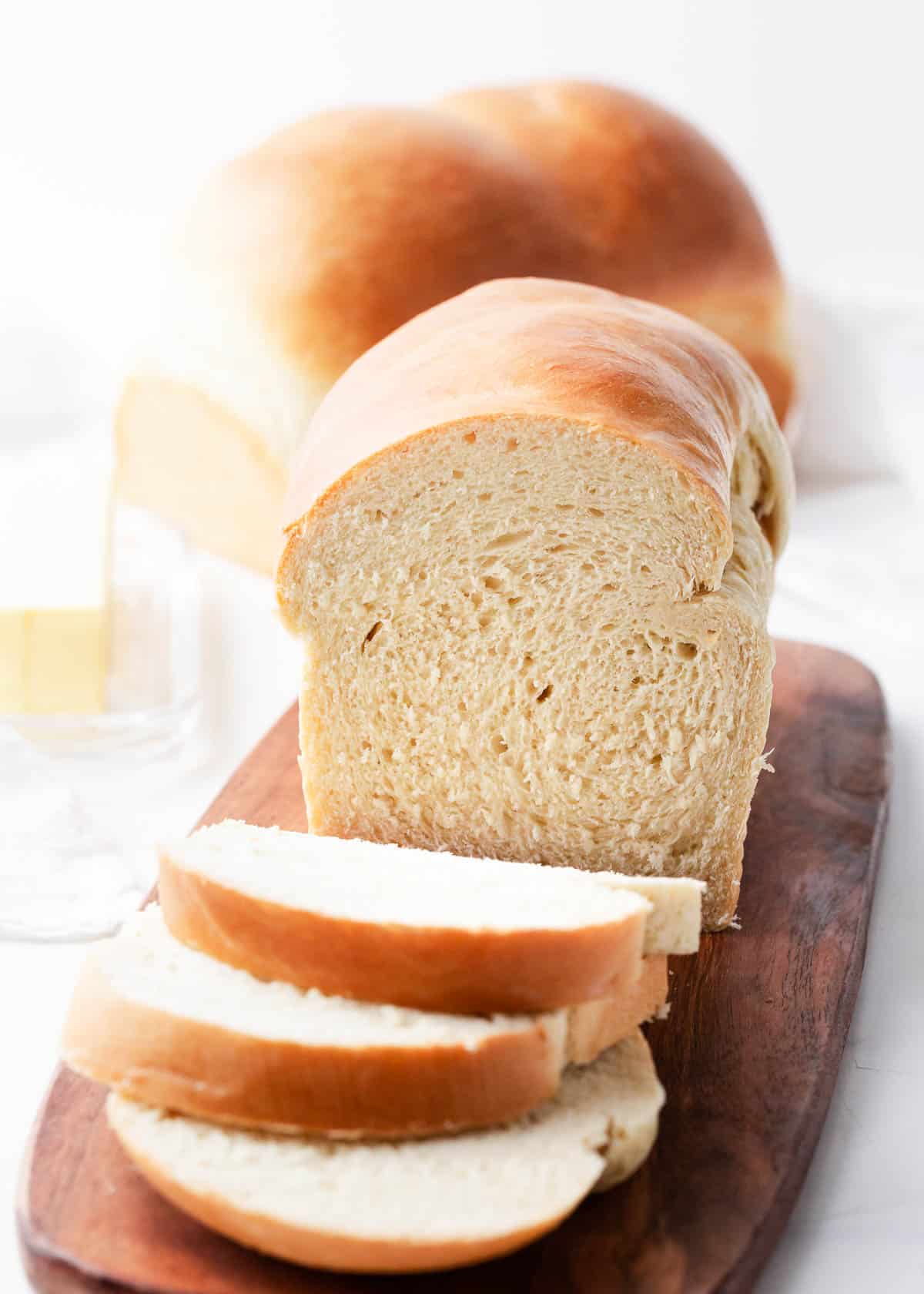
Use active dry yeast and evaporated milk to bake white bread at home․ Active dry yeast provides reliable leavening․ Evaporated milk makes the bread exceptionally soft․ This recipe produces two loaves of soft white bread with butter-brushed‚ golden tops․ Serve loaves for sandwich bread or warm slices with jam․
Warm water at 105°F activates the yeast and adds sugar to the dough․ Butter‚ sugar‚ salt‚ and evaporated milk add flavor and texture to the dough․ Bread flour works best for this recipe‚ but all-purpose flour can be substituted․ More flour is added beyond six cups to keep the dough from being tough or dry and make a soft‚ workable dough․
The yeast mixture should be foamy when added to the mixer․ The dough should be soft and slightly sticky after mixing but not sticky after two risings․ The most common problem with yeast dough is adding too much flour‚ especially in humid climates․ Add flour to the mixer 1/4 cup at a time until the dough stops sticking to the side of the mixing bowl․
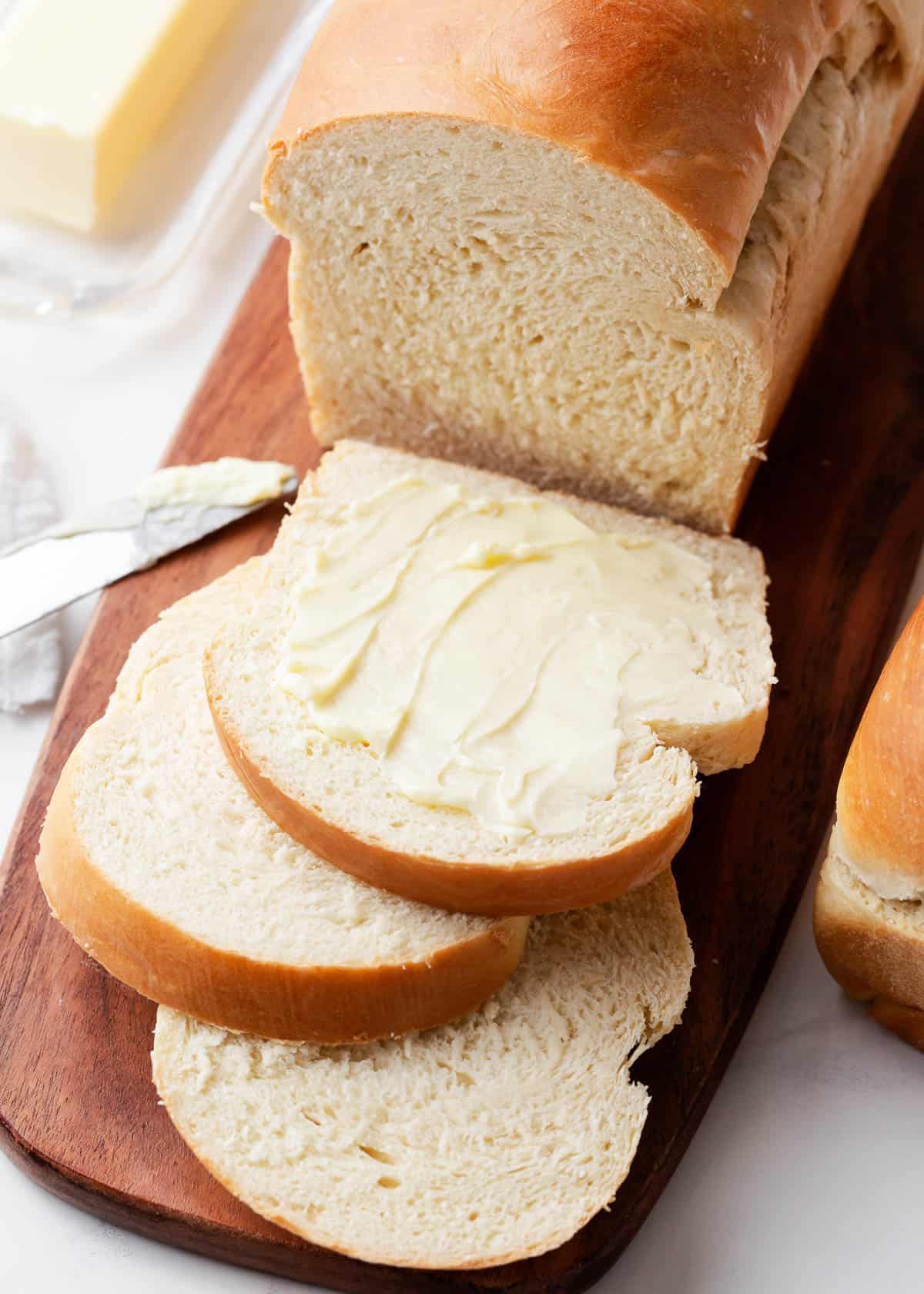
Bake formed bread dough in two 8x4-inch pans until golden and bread temperature is 185°F․ Spread with butter after removing from pans․ Serve with butter or jelly․ Possible other uses: grilled cheese sandwiches and toast․ Uses for stale bread: croutons‚ bread crumbs‚ stuffing‚ and French toast casserole․ Cool bread before freezing․
Why you'll love this recipe
- Evaporated milk adds softness and flavor to two loaves compared to breads made with milk on hand․ Evaporated milk provides other advantages when added to milk on hand․
- Fresh active dry yeast has benefits because you can test it for freshness before using it and throw away yeast that isn't fresh when you test it․
- Bread flour makes a sturdy‚ soft dough․ All-purpose flour is a suitable substitute for bread flour․
- Gradually adding flour accounts for differences in moisture and other variables and helps prevent a stiff loaf․ You can check the dough for sufficient gluten development․
- Small amounts of butter are added to the dough and on the top of the final baked product to add flavor without adding other ingredients․
- Two loaves of bread can help you use one batch of dough for several types of bread products‚ including sandwiches and toast made with old bread․ This will help you use less flour and milk․
Ingredients
- •2 ½ teaspoons active dry yeast
- •½ Tablespoon granulated sugar (for proofing yeast)
- •2 cups warm water (105°F)
- •¼ cup butter (melted, plus 1 Tablespoon for brushing on top)
- •¼ cup granulated sugar
- •½ cup evaporated milk (or room temperature milk)
- •2 teaspoons salt (or 1 Tablespoon kosher salt)
- •6 cups bread flour (6-7 cups; all-purpose flour may be used)
- •cooking spray or oil (for coating the dough bowl and greasing bread pans)
- •butter (for serving)
- •jam (for serving)
Instructions
- 1
In a small bowl, add the yeast and 1/2 Tablespoon sugar. Pour the 105°F warm water over the mixture and let sit 5 to 10 minutes, until bubbly and foamy.
- 2
In a stand mixer bowl fitted with the paddle attachment, mix the melted butter, 1/4 cup sugar, evaporated milk, and salt on medium-low speed.
- 3
Mix in the yeast mixture just until combined.
- 4
Replace the paddle attachment with a dough hook.
- 5
With the mixer on low, add 3 cups flour until combined. Add flour 1 cup at a time until combined, then after 6 cups add flour 1/4 cup at a time until the dough no longer sticks to the bowl sides.
- 6
Knead the dough for 3 to 5 minutes, until soft and no longer sticky.
- 7
Lightly coat the dough ball and bowl sides with cooking spray or a little oil. Cover with a warm towel and let rise by a window for 1 hour, or until doubled in size.
- 8
Punch down the risen dough and transfer it to a floured surface.
- 9
Spray two 8×4-inch bread pans with nonstick cooking spray.
- 10
Knead the dough for 2 to 3 minutes, then cut it into 2 equal pieces.
- 11
Roll one piece into a rectangle. Starting at the shorter side, roll up the dough, tuck the ends under, and place it in a bread pan. Repeat with the remaining piece.
- 12
Preheat the oven to 375°F with a rack in the middle. Let the loaves rise until doubled in size, about 45 minutes, while the oven preheats.
- 13
Bake for 25 to 35 minutes, until golden on top and 185°F in the center. Tent with foil if the tops brown too quickly.
- 14
Remove the loaves from the pans to a cooling rack and brush the tops with butter.
- 15
Slice once slightly cooled and serve with butter and jam, if desired.
FAQ
Nutrition (per serving)
Calories
114
Protein
3g
Fat
3g
Carbs
19g
Reviews
Pin this recipe
Tap an image to save it to Pinterest.